
Termite Control
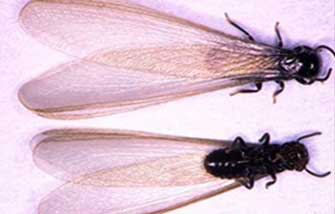 In nature, subterranean termites are beneficial. They break down dead trees and other wood materials into humus, which is an integral part of soil. They are only a problem when they invade structures. We recommend treatment when termites begin to enter structures or if a problem is likely to develop in the future (called a “conducive condition”). The product is applied in the soil from where termites come. Termites found in your yard typically do not require treatment. If we do find signs of active termites we recommend that you have them treated within 6 months or so to avoid further damage to the structure. We do not use scare tactics to motivate you to have a service you do not need. Realistically, very few houses are seriously damaged due to termites.
One common sign of termites is the appearance of swarming winged reproductive termites, usually in the spring. Another is the presence of mud tubes going up the slab around the exterior of the home or the piers under the house. Sometimes the mud comes out of a hole in sheetrock inside the house. You may see frass (debris or excrement produced by insects) that looks like coffee grounds or dirt which is different than wood destroying ant frass (which looks like sawdust, insulation, etc). Termites eat wood, whereas wood destroying ants tunnel in wood. You can easily view the difference between termites and wood destroying ants online.
Preventive recommendations: Keep area where the foundation meets the slab visible at all time (do not cover it up with mulch, soil, etc). Don’t pile wood up next to your house. For a pier and beam house, there are techniques to prevent the termites from crawling up the piers. You may do an inspection for termites yourself simply by walking around your house to check for mud tunnels. Common entry points would be over the slab, any plumbing entries or a crack in the slab under the house. As termites must have access to moisture, unless you have a leak, that mud tunnel is necessary for them to survive, as it gives them access to the ground, thus moisture. If you have a leak, once they are in there they do not have to have access to the ground so the mud tunnel may not be present. Generally, inspectors do not drill holes to inspect plumbing entries. Evidence in such entries is indicated by discolorations or soft spots or irregularities in the sheet rock.
"*" indicates required fields
RECENT POSTS
Droppings
There are a variety of pest droppings that can appear in the home. And many of these droppings look the same. For example, roach droppings are very often mistaken for mice droppings. Even squirrel or…
How Does Pest Control Work?
Pest control is not just a matter of spraying around a house until all the bugs are dead. Of course, the goal is no more bugs. But that goal takes some work. First, different pests…
List of Austin Insects
Austin has its fair share of bugs. For people coming from out of state, this can be a shock to the system, particularly when arriving from areas with fewer pests. Here is an abridged list…
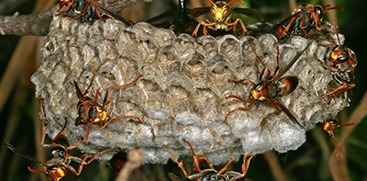
We specialize in long-lasting treatments using products in a way that effectively kills bugs but has no impact on people. No contracts are needed. We treat more than once a year about as often as we skip years between treatments.
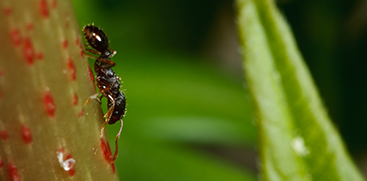
Aztec’s philosophy is to provide the most effective pest control service available, having the least negative impact on people and the environment here in Austin, Texas. We use a combination of the least toxic and most effective pest control products available.
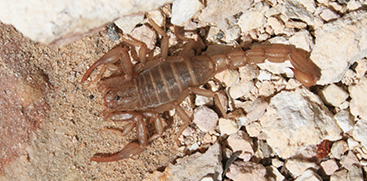
We originally offered pest control using only natural, “organic” pest control products. While we still offer that service, we now combine those products with a low-toxicity, odorless, synthetic pyrethrin (crushed chrysanthemum flower), offering a longer-lasting residual effect.